
seasons is essential for both fans and analysts. Understanding performance trends, roster changes, and strategic development provides insight into the evolving meta and competitive landscape. With the rise of esports, tracking player data has become more sophisticated, offering opportunities for deeper analysis and long-term trend evaluation. By combining online platforms, analytics tools, and community resources, fans can stay informed and engaged throughout the year, gaining insights that enhance their overall appreciation of competitive play.
Utilizing Online Platforms and Databases
One of the most effective ways to track professional players is by using specialized online platforms and databases. These resources collect match results, player statistics, and tournament histories in an organized and accessible manner, often providing visual representations and leaderboards that make data easier to interpret.
For fans looking to keep track of player performance, websites that aggregate information about dota 2 pro teams are invaluable. Such platforms provide rankings, recent match results, and team rosters, enabling users to analyze trends and identify consistent performers. By regularly consulting these databases, fans can compare seasonal statistics, monitor win rates across different tournaments, and observe which strategies lead to success in professional play. Integrating these platforms into your routine ensures that you stay up to date on every season’s developments while comparing player achievements across different periods, making it easier to appreciate both individual and team growth.
In addition to team-based information, many databases also offer individual player stats, including hero performance, win rates, and in-game metrics such as gold per minute, kills, and assists. This level of detail allows for deeper analysis, helping fans and analysts make informed predictions and assessments. Fans can also explore historical data to see how player performance changes in response to new patches, tournament formats, or meta shifts.
Following Streaming and Social Media Channels
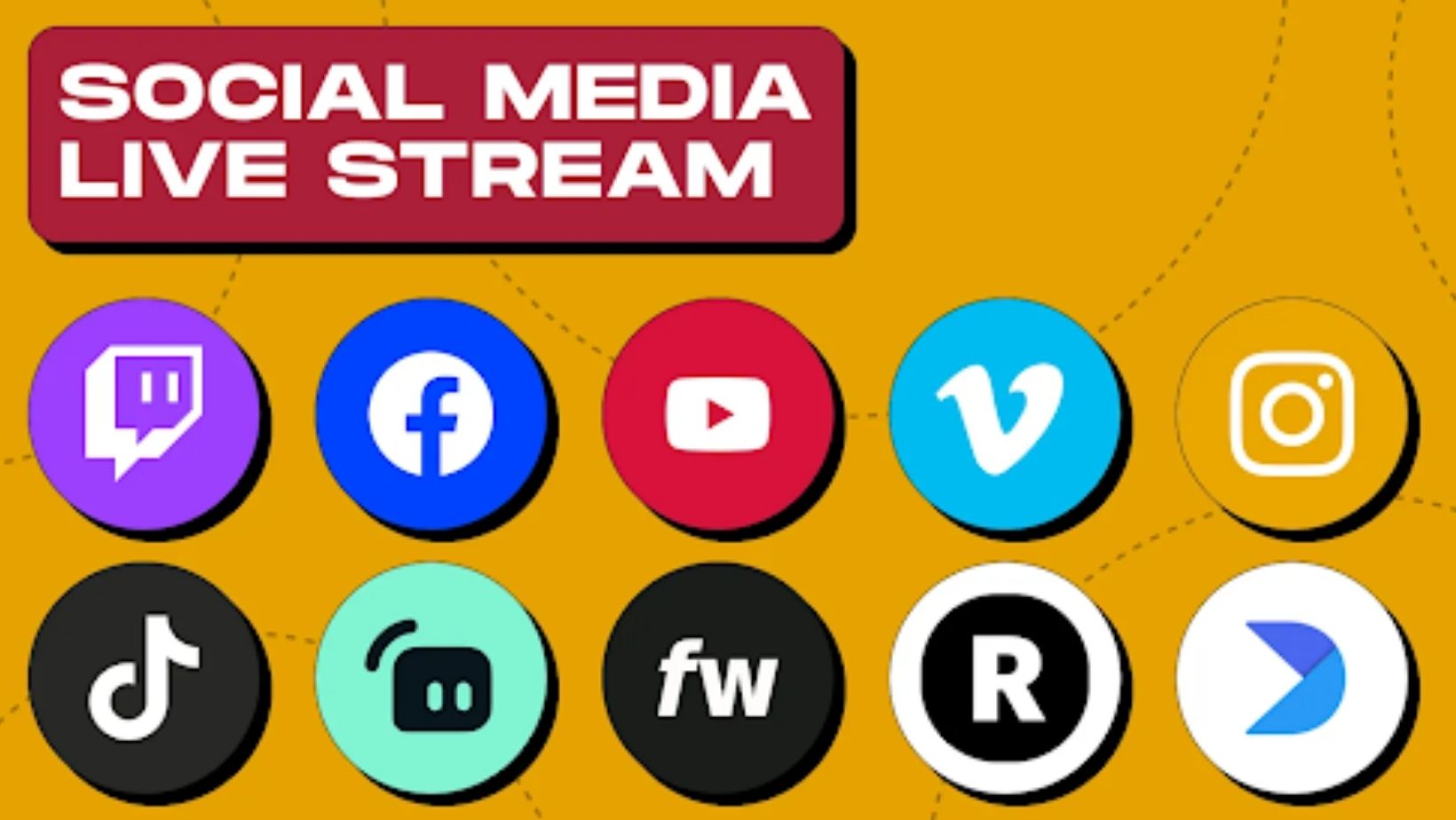
Another key strategy for tracking player progress is to follow professional players and teams on streaming and social media platforms. Twitch, YouTube Gaming, and Discord channels often provide real-time insights into training sessions, practice matches, and official tournaments, creating an opportunity for fans to see the behind-the-scenes work that shapes professional gameplay.
Streaming allows fans to witness gameplay first-hand, observe strategies in action, and track a player’s form across seasons. Many professional players also share personal updates, strategic insights, and team announcements on social media, giving followers direct access to developments that may not appear in official match reports. This direct communication can include commentary on patch notes, reflections on past performances, or explanations of new strategies, which enriches the overall understanding of the game and its evolving competitive scene.
These interactions often foster discussion within digital communities. Fans share observations, analyze gameplay, and compare seasonal trends, creating collaborative learning environments where strategies and insights are debated and refined. This collaborative environment makes it easier to track long-term performance and identify emerging talents, as fans can collectively evaluate shifts in playstyle and effectiveness over time.
Using Analytical Tools and Software

Analytics tools are increasingly popular among esports enthusiasts for tracking player and team performance. Programs that provide visualized statistics, heatmaps, and performance metrics help fans and analysts evaluate players systematically, offering insights that are often difficult to observe through watching alone.
Tools often allow users to compare seasonal performances, identify strengths and weaknesses, and understand meta changes that affect outcomes. Some platforms even allow users to simulate match scenarios or generate statistical predictions, which adds a more technical layer to tracking progress. By applying these tools consistently, it becomes possible to track improvements, slumps, and strategic adaptations over multiple seasons, offering a more holistic view of player development.
In combination with online databases and streaming platforms, analytics software enables a comprehensive view of a player’s career. Fans can assess both short-term fluctuations and long-term trends, gaining insights into how a player adapts to different opponents, patch updates, and strategic shifts in the professional scene. This approach ensures that fans can follow progress accurately and make meaningful comparisons between different periods or tournaments.
Engaging with Community Insights
Digital communities play a crucial role in monitoring professional player progress. Forums, fan sites, and discussion groups provide analysis, opinion pieces, and crowd-sourced data that often reveal trends missed by official statistics. Community engagement also allows fans to share unique observations, such as unconventional strategies or underappreciated hero picks, which can offer valuable context.
Engaging with these communities allows fans to participate in debates, predict match outcomes, and share observations about roster changes or meta shifts. Community-driven platforms also highlight upcoming talents and provide context for long-term performance trends. By participating actively, fans gain access to perspectives that enrich their understanding of professional play and deepen their connection to the competitive scene.
Community insights complement the information from analytics tools and databases. They offer nuanced discussions about team synergy, player mentality, and strategic evolution, which are essential for tracking progress across seasons. Combining both quantitative data and qualitative community input ensures a balanced understanding of player development.
Conclusion
Tracking professional player progress across all seasons requires a multifaceted approach. By combining specialized databases, streaming channels, analytics tools, and community insights, fans can obtain a complete understanding of player performance. Following dota 2 pro teams and individual players ensures that fans stay informed about seasonal developments, roster changes, and meta shifts.
Effective tracking enhances the viewing experience, allowing fans to engage with competitions more deeply and make informed predictions. This approach encourages analytical thinking and provides fans with tools to evaluate gameplay strategically, rather than passively consuming content. As esports continues to grow, these strategies will become increasingly important for maintaining a clear view of the evolving competitive landscape. Ultimately, staying up to date with professional player progress turns passive spectatorship into an active, analytical, and connected experience, enriching both fandom and understanding of the competitive scene.

