
Casinos have been closely tied to technology since the 1990s (the dawn of home internet) and beyond.
The pace of change feels faster than ever. Casinos constantly look for new tools and innovative technologies that make games easier to access and more enjoyable to play. The industry has grown while the core idea of casino gaming remains familiar. What changes is the way players interact with those games (and the game selection).
Technology has quietly reshaped almost every part of the experience.
The Shift From Desktop To Mobile
We live in a time of mobile technology being at the forefront of internet use. Even the payments are quick and simple on mobile devices. It is an age of convenience for players. When people engage in online gambling at 7Signs for real money, they can play a variety of different games that are built with a mobile-first design. Some games can be played in both portrait and landscape mode and provide different options for players. This fits well with the fast pace of online gaming and the fact that there is so much choice. It doesn’t matter which OS a player is using. Modern developers make these sorts of games available to play in a browser. No downloads, just jumping straight into play.
Looking back at the earliest online casinos from the 1990s reveals how dramatically technology has changed. We see how far things have come since these simpler times. Early casinos usually meant sitting at a desktop computer with a dial-up internet connection. Graphics were simple. The game libraries were relatively small. It was also very possible that they would run in a clunky way or even fail due to the snail-paced speed.
This was a huge decade for the internet and its spread around the world. Despite those limitations, the basic idea worked. Players could spin slot reels or join card tables through their computer screens. That early success showed that casino games could exist outside traditional venues.
Fast forward to today. The experience looks completely different. Smartphones and tablets are unbelievably powerful – more powerful than the computing power that once powered NASA’s space missions. We all keep the devices in our bags and pockets ready to do work or day-to-day admin. Or play games! Modern casino platforms are designed to run smoothly on mobile devices.
Touchscreens also changed how games feel. Pressing a spin button with a fingertip or sliding chips across a virtual table feels intuitive on a mobile screen. Developers quickly realized that these interactions suited casino games perfectly.
Plenty of modern casino games are built with mobile devices in mind from the start.
Faster Connections And Live Dealer Games
Another technological leap involves internet speed. Early online casinos relied on slow connections that struggled to display anything beyond simple animations. Today’s faster networks allow far more complex experiences.
Live dealer games are one of the best examples of this change. Real dealers operate games in studio environments while cameras stream the action directly to players. Cards are dealt in real time. Players watch everything unfold through high-definition video.
This format blends two different worlds. The convenience of online access meets the atmosphere of a physical casino table. Faster connections made this combination possible.
Software Innovation And Game Design
Software and development improvements continue to shape the casino industry. Game developers constantly experiment with new visual styles and interactive mechanics. This has been replicated in the wider gaming industry with thousands of games available. The Steam store has over 80,000 games. Around 5,000 of these make significant revenue and aren’t just minor games with a tiny number of players.
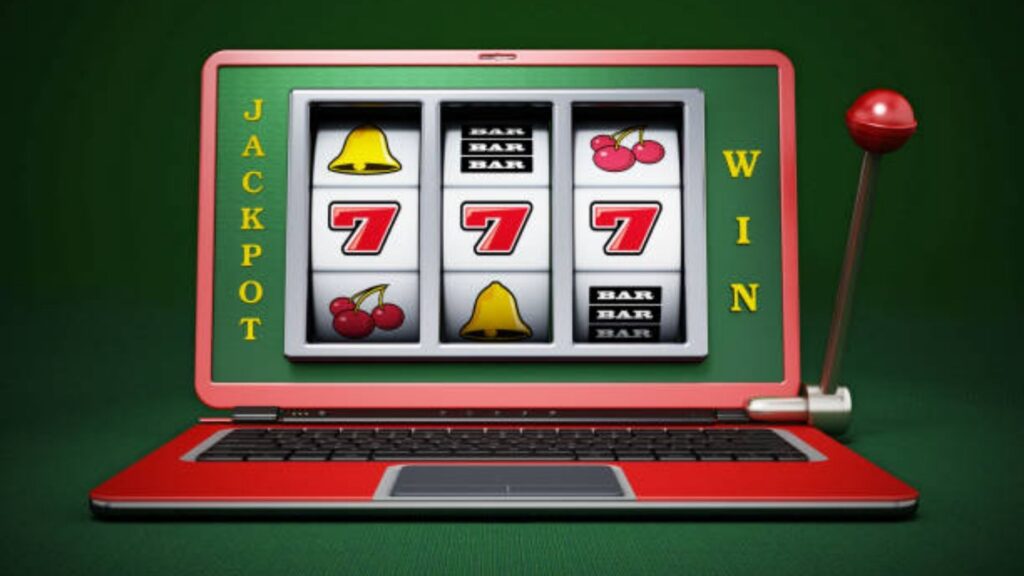
Slot games illustrate the evolution of technology particularly well. Early digital slots looked basic and copied the appearance of mechanical machines. Modern titles can include animated environments and layered bonus rounds. We mentioned the fact that these kinds of games can be mobile-first. Software has become more sophisticated in this way – the game adapts to the device.
Software updates also allow developers to add new features quickly. Games can evolve after release rather than remaining fixed forever. There are also more sequels than ever.
Cross-Device Play
Player accounts and game progress tend to exist on remote servers rather than being tied to one specific tablet or console.
This means a session can just as easily be played on a phone or tablet. That flexibility fits well with modern habits. People move between devices throughout the day. No need to remember a specific gaming tablet or device to play (especially with many games just existing within the browser).
The casino industry has never stood still for long. Each generation of technology reshaped the environment slightly and brought its own evolutions.
The games themselves often remain familiar. What changes is the way players reach those games and interact with them.