
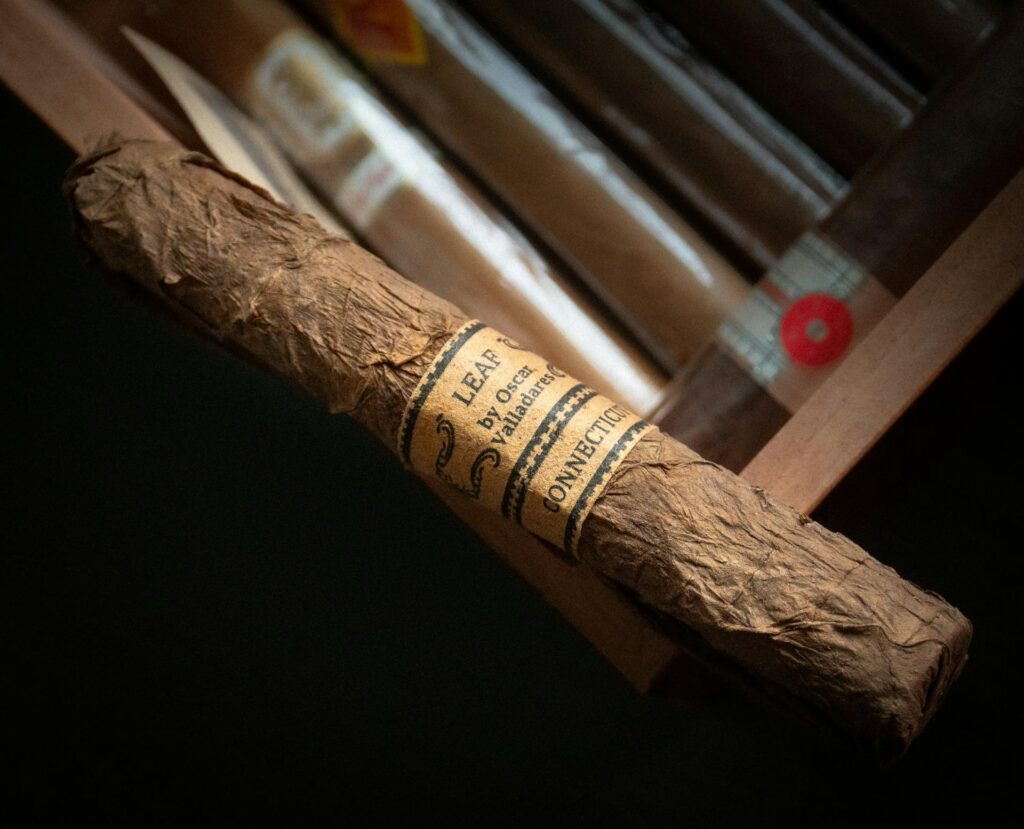
Native tobacco culture has profound cultural significance that extends well beyond smoking. Tobacco is regarded as a sacred plant that unites people with prayer. It is commonly associated with land reverence.
Nowadays, tobacco is what consumers see first in stores, trends, or even products such as native smokes. But that is only one side of the coin. Traditional tobacco is not primarily about habit, image, or recreation. Its original intent is religious, cultural, and embedded in communal beliefs.
Tobacco as a Sacred Gift
Many Indigenous peoples view tobacco as a gift, not a commercial good. It can be given in prayer or in a request for guidance. The act is important in that it shows humility and an attentive approach to the natural world.
The direction of traditional use is informed by family, elder, and communal practices. These lessons frequently discuss when to offer tobacco, how to deal with it, and the importance of intent.
Not the Same as Commercial Tobacco
One must know that sacred tobacco and commercial tobacco are not interchangeable. Small quantities of tobacco are frequently used in traditional forms and in certain cultural contexts, whereas commercial products are produced to be sold in large quantities and consumed widely. The mix-up of the two can dissolve the spiritual significance of Indigenous practice.
The difference also influences consumer perceptions of health, culture, and identity. Sacred offerings work by protocol and purpose, yet commercial usage frequently comes after addiction, marketing, and convenience.
Protocol, Community, and Respect
Asking for help, starting a conversation, or honouring a knowledgeable person is often accompanied by tobacco in various Indigenous contexts. Giving tobacco can denote faithfulness, particularly when one desires lessons, assistance, or ritual. There is conscious reminding by that activity that learning ought not to be a minor thing.
Respect also entails understanding that not all teaching is open. Certain customs are publicly shared, and others remain under the family, nation, or ceremonial circle.
What Consumers Need to Know Today
When approached with care and not curiosity alone, consumers are better placed to value Indigenous tobacco traditions. These customs are still alive today, not just in books or museums. They are still subjects of identity, survival, and cultural continuity.
Consumers can remember the meaning through the following ideas:
- Sacred tobacco is not synonymous with commercial tobacco.
- Indigenous peoples maintain alternate teachings and protocols.
- Honour is greater than external opinion.
- Tobacco is not marketable; it is ceremonial.
In conclusion, these traditions are not a fashion product, nor a point of discussion for a thoughtful consumer. Instead, they acknowledge them as living cultures that have their own laws, teachings, and values. That style respects the individuals involved in the practice and affirms the subject with the dignity it warrants.

