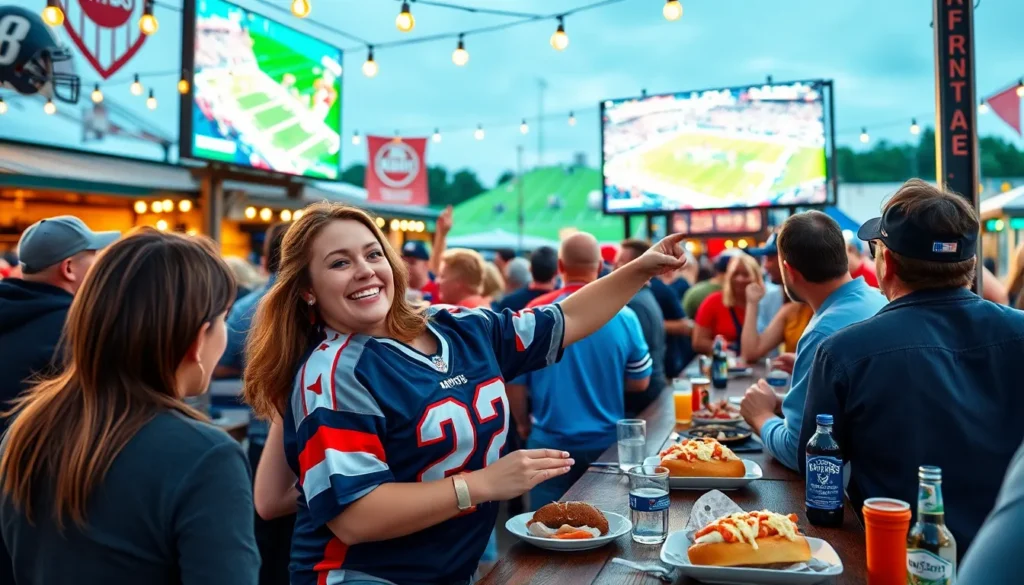

Sports betting media has grown far beyond the old matchday formula. Previews, odds, tips, team news, and post-game reaction still drive the conversation, but today’s audience moves through a much wider entertainment loop. A football fan can jump from tactical analysis to live match coverage, from a betting guide to slot features, from payment explainers to live casino content, all inside the same digital rhythm.
That’s why GemBet online casino fits so naturally into the modern betting media journey. A reader may arrive looking for football predictions, stay for a sharper betting angle, then drift into casino content because it sits inside the same fast-moving entertainment space. The first spark may come from sport, yet the wider routine now has room for more. Sports betting media has turned that journey into something broader, smoother, and much easier to follow across the whole GemBet experience.
Sports Betting Media Became More Than Match Previews
Sports betting media grew because fans wanted more context before and during matches. They wanted predictions, stats,injury updates, line-up reactions, tactical analysis, and market explanations. Over time, those same websites and media hubs realised that the audience didn’t only want one type of content.
A sports bettor may be interested in odds movement on Saturday, a football accumulator guide on Sunday, a live betting explanation on Tuesday, and a casino bonus guide later in the week. The common thread is the same: digital entertainment shaped by rules, risk, rewards, timing, and platform choice.
This is how casino content entered the wider mix. It didn’t need to replace sports betting content. It sits beside it, especially when the same audience already understands odds, probability, promotions, and online platforms.
The Media Habit Already Existed
Online casino content became easier to integrate because sports betting audiences were already used to consuming supporting content. A big match may produce previews, betting tips, podcasts, tactical videos, social posts, live blogs, and post-match analysis. That behaviour trained fans to look for information around the event, not only the event itself.
Once that habit exists, casino content has a natural opening. A user who reads a betting guide may also read a blackjack strategy article. A football fan who follows live betting updates may understand why live casino content focuses on real-time presentation.
This doesn’t mean every sports bettor becomes a casino player. It means the media environment made cross-category discovery easier. The content sits nearby, uses a familiar language of rules and outcomes, and answers similar questions about how platforms work.
Sports, Media, and Entertainment Started Blending
The wider sports industry has also moved in this direction. Deloitte’s 2026 Global Sports Industry Outlook describes a market where “sports are converging with media and entertainment.” That explains why the boundaries around sports content have widened.
A sports fan today may watch a match on one screen, read fan reactions on another, check stats, follow highlights, join a fantasy league, and look at betting content before kick-off. The match is still central, but the surrounding media ecosystem is much larger.
Online casino content benefits from that larger ecosystem. It can appear as a guide, review, explainer, feature preview, or live casino article within the same publishing environment. Sports betting media became a gateway because it already had the audience, the format, and the search demand.
Online Platforms Encouraged Cross-Category Content
The structure of online platforms also helped casino content become part of betting media. Many platforms don’t present sports betting, slots, and live casino games as isolated destinations. They place them inside one account experience, with connected navigation, shared promotions, and similar support pages.
Media followed the same pattern. A site covering sports betting naturally started publishing content on other parts of the same entertainment experience. If users search for a football betting guide, they may also search for how live casino works, what slot features mean, or how online casino payments are handled.
Data Show the Categories Growing Together
The online gaming market also made this blend more visible. The American Gaming Association reported that the U.S. commercial casino gaming industry reached record revenue in 2025, “driven by growth across the traditional land-based casino, sports betting and internet gaming markets.” In other words, these categories are now often discussed as connected parts of the same larger industry.
Sports betting brings strong event-based attention. Casino content brings steadier evergreen interest. A football final may spike search demand for match predictions, while casino guides can continue attracting readers between major sports events. For publishers, that combination is useful because it balances the calendar.
This is one reason online casino content became common in sports betting media. It keeps the site useful when there’s no major fixture. It also gives readers another way to explore the wider platform ecosystem.
Casino Content Uses Familiar Betting Media Formats
Casino content became easier to absorb because it borrowed formats that sports betting readers already recognised. A football betting article might explain markets, compare options, preview conditions, and give readers context before a match. A casino article can do something similar by explaining game mechanics, live formats, bonuses, payout structures, or mobile experience.
The subject changes, but the editorial job stays close. The content helps readers understand what they’re looking at. It removes confusion before they enter the platform. It turns a broad category into smaller, clearer decisions.
Live Casino Made the Link Stronger
Live casino content made the connection even stronger because it feels closer to sports media than older static casino content. A live dealer table has a presenter, a camera, a rhythm, a real-time result, and a sense of shared timing. That makes it easier for sports audiences to understand.
Sports fans are used to live events. They understand build-up, tension, commentary, and the importance of timing. Live casino uses some of that same entertainment logic. The dealer or host gives the game a human centre, while the stream keeps the action moving.
Search Behaviour Pulled the Categories Together
Search also played a major role. People don’t always search neatly inside one category. A user looking for a sportsbook may also search for casino bonuses. A reader comparing betting platforms may want to know which one has live casino.
Publishers responded by covering more of the journey. Instead of writing only about sports odds, they created content clusters around platform choice, payments, mobile experience, promotions, slots, and live casino games. The goal was to answer more of the questions users already had.
That made casino content a regular part of sports betting media, not a strange addition. It followed the audience’s behaviour.
The Media Ecosystem Is Now Wider
Online casino content became part of broader sports betting media because digital entertainment stopped moving in straight lines. Fans don’t always stay inside one category. They move between match previews, stats, live coverage, platform guides, casino explainers, and comparison content depending on the moment.
Sports betting media adapted because the audience was already there. The same readers who wanted sharper match analysis also wanted clearer explanations of the wider online entertainment environment. Casino content gave publishers another way to serve that demand.
That’s the real shift. Sports betting media no longer ends at the final whistle. It surrounds the match, follows the user across the platform, and keeps the conversation going when the game is over. Online casino content became part of that world because it fills the space between fixtures, extends the entertainment journey, and turns one betting audience into a broader digital media audience