
Why attention feels fragmented
Many people think concentration is a matter of willpower. In practice, attention depends on workload, environment, energy, and the structure of the day. When a person tries to keep too many tasks in mind at once, the brain spends more effort on switching than on real progress. This is why even simple work can feel heavy, and why, in the middle of daily digital distractions such as messages, alerts, or even a brief glance at the forest fortune app, it becomes harder to stay with one priority long enough to complete it.
Stress makes this worse. Under pressure, attention narrows in an unstable way. A person may become busy but not effective. They react faster, but think less clearly. As a result, the day gets filled with movement, yet the main task remains unfinished.
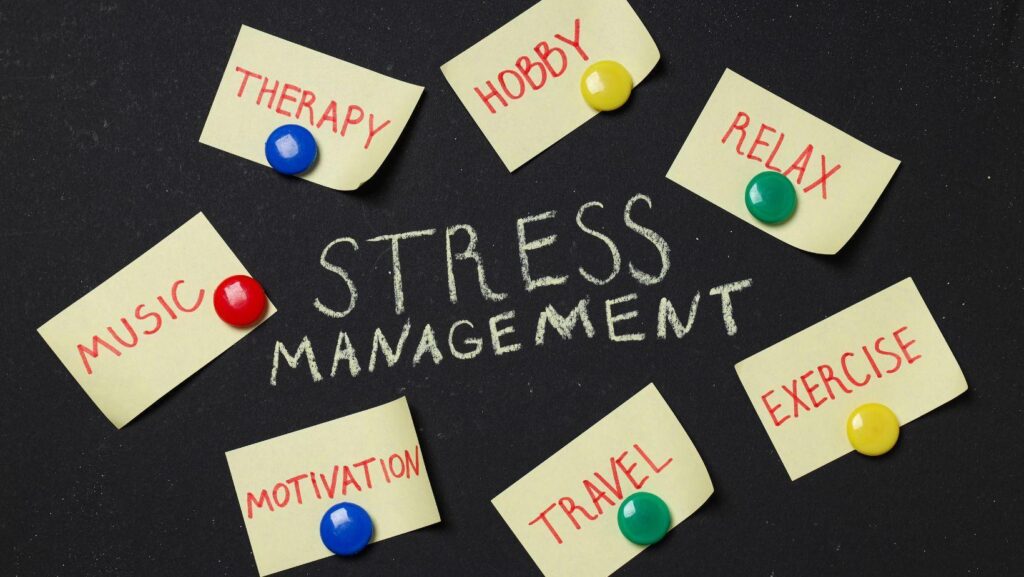
Managing attention without stress means reducing friction around focus. The goal is not to force the mind into constant intensity. The goal is to create conditions in which concentration becomes easier and more stable.
What attention management actually means
Attention management is the practice of deciding what deserves mental energy, when it deserves it, and what should be delayed, ignored, or removed. It is not the same as time management. Two people may have the same number of free hours, but the one with fewer interruptions and clearer priorities will usually produce better results.
The core problem is not always lack of time. Often it is lack of cognitive order. When the brain does not know what comes first, it keeps scanning everything at once. That scanning creates tension. Tension leads to fatigue. Fatigue reduces focus.
A useful system begins with one principle: attention should be directed, not constantly defended.
Why stress destroys focus
Stress affects attention in three ways.
First, it increases mental noise. The brain keeps returning to unfinished issues, possible risks, and small reminders. This makes deep work difficult.
Second, stress encourages reactive behavior. Instead of following a plan, a person starts responding to whatever appears first: a message, a new task, a minor request.
Third, stress lowers recovery quality. Even when work stops, the mind may continue processing open loops. The next day begins with reduced clarity.
This is why focus cannot be improved only by trying harder. Without reducing stressors, effort turns into strain.
How to focus on the main thing every day
1. Define one central task
Each day should have one task that carries the most value. Not five. Not a general intention. One concrete result. For example: finish a report draft, prepare a client proposal, or study one chapter with notes.
This reduces internal negotiation. When the brain knows what matters most, it wastes less energy choosing between options.
2. Separate planning from execution
Many people mix these two modes. They start working, remember another task, open a new tab, then return halfway. This creates fragmentation.
A better method is to spend a short block planning the day, then move into execution. During execution, do not redesign the plan unless something truly urgent changes.
3. Reduce visible options
Attention is affected by what remains in view. Open tabs, notifications, chat windows, and scattered notes all compete for mental space. Even when ignored, they create background pressure.
A simple work screen, a short task list, and a silent phone reduce this pressure. Focus improves not because the mind becomes stronger, but because the environment becomes cleaner.
4. Work in stable blocks
Long focus sessions are useful only when they are realistic. For many people, 25 to 50 minutes of concentrated work is enough to make progress. After that, a short break helps reset mental energy.
The break matters. It prevents overload and keeps focus from turning into exhaustion. But the break should be real: stand up, stretch, walk, or look away from the screen.
5. Close open loops on paper
Unfinished thoughts often interrupt serious work. Instead of trying to remember everything, write down the thought and return to the main task. This externalizes mental clutter.
A small capture list reduces the fear of forgetting. Once that fear drops, attention becomes steadier.
6. Build a daily shutdown habit
Focus improves when the brain trusts that tasks will not disappear overnight. At the end of the day, review what was done, note what remains, and choose the first priority for tomorrow.
This habit lowers evening tension and makes it easier to begin the next morning.
A realistic way to think about concentration
Sustained focus is not a constant state. It rises and falls. Some days are sharp, others are slower. Good attention management does not demand perfect consistency. It creates a structure that protects what matters even when energy is not ideal.
That is why the best system is often simple: one main task, fewer inputs, clear work blocks, written capture notes, and a defined stopping point. These habits reduce decision fatigue and support concentration without adding pressure.
Conclusion
To focus on the main thing every day, a person does not need more discipline alone. They need fewer internal conflicts and fewer external interruptions. Stress-free attention management is not about squeezing more out of the brain. It is about giving the brain a clearer job.
When priority is visible, the environment is controlled, and the day has structure, concentration becomes less fragile. Over time, this creates a calmer and more effective way to work and live.

