

Early February on the racing calendar rarely comes with fireworks. No roaring crowds like Derby Day. No mile-and-a-quarter debates. Still, for attentive bettors, the Sam F. Davis Stakes often answers important questions about development, distance, and direction.
Held at Tampa Bay Downs, the race often shows which three-year-olds are truly progressing and which are relying on reputation. It’s a proving ground where potential meets pressure, giving attentive bettors insight into stamina, adaptability, and readiness for longer Derby preps, factors that can shape the rest of the spring.
The Sam F. Davis Stakes Serves as a Defining Early Test
For many three-year-olds, the Sam F. Davis Stakes represents a moment of truth rather than just a pit-stop on the Road to the Kentucky Derby. It separates horses that are developing on schedule from those that may need more time.
The race awards 20 Kentucky Derby qualifying points to the winner, often elevating a fringe contender into the national spotlight. That incentive gives trainers flexibility before tougher spring races and explains why the Sam F. Davis attracts horses flying just underneath the radar.
The race has built a reputation as a stepping stone, with winners and strong performers often moving on to the Tampa Bay Derby in March.
Running Styles and Experience Matter at Tampa
Tampa Bay Downs is not a neutral venue. The track itself plays an active role in shaping how the Sam F. Davis unfolds, and bettors who overlook that reality tend to miss key details.
A Surface That Demands More Than Raw Speed
The dirt at Tampa Bay Downs is deeper and more demanding than at many major circuits. Horses accustomed to gliding over tighter surfaces often discover that Tampa requires stamina, balance, and patience. Fast early fractions mean less here than the ability to keep running through the stretch.
Tactical Positioning Often Matters More Than Late Kicks
The long run into the first turn and the relatively forgiving early pace can allow horses with tactical speed to settle comfortably. When a runner controls the tempo or sits just off the lead, deep closers may find themselves with too much ground to make up.
Several recent winners succeeded by applying steady pressure rather than producing a dramatic late surge.
Familiarity With the Track Matters
History shows that horses with prior experience at Tampa Bay Downs frequently outperform expectations. Roughly six out of ten winners had already raced over the surface. Knowing how the track feels underfoot can make a meaningful difference when stamina and balance are tested late for young horses still learning their craft.
This is often when bettors narrow their focus and follow race-specific insights at Tampa Bay Downs. Focus on contender analysis and evolving projections for the Sam F. Davis Stakes 2026 can be valuable as the field takes shape.
Timing on the Prep Calendar Shapes Strategy
The Sam F. Davis Stakes sits at a pivotal moment on the Road to the Kentucky Derby. It shares the calendar with other notable preps like the Robert B. Lewis and the Withers, creating a weekend that quietly reshapes the national race picture.
This race is one of the last chances to earn 20-point rewards before the Championship Series begins. Trainers often use the Sam F. Davis to answer practical questions about distance, two-turn ability, and overall readiness.
Recent editions show how the race fits into the broader Derby trail. Bettors seeking context on how past fields developed often revisit summaries like the 2025 Sam F. Davis Stakes Overview, which underscore how the race reveals progress rather than perfection.
Historical Patterns Help Narrow the Profile of Likely Contenders
While every running writes its own story, the Sam F. Davis Stakes has produced enough consistency to identify broad tendencies that inform expectations.
Several patterns tend to repeat:
- Winning times under 1:43 often signal horses capable of handling higher-level competition later in the spring,
- Tactical runners pressing the pace account for a significant share of recent winners,
- Horses with multiple prior starts generally adapt better to the demands of the race,
- Certain trainers, most notably Todd Pletcher, have repeatedly targeted and succeeded in this spot.
These trends don’t dictate outcomes, but they help frame what typically works at Tampa Bay Downs and what tends to struggle.
Evaluating the 2026 Field Beyond Names and Hype
Big pedigrees and flashy maiden wins attract attention, but the Sam F. Davis Stakes rewards deeper evaluation. Bettors who look past headlines often spot meaningful clues.
Recent Speed Figures Provide Context, Not Certainty
Strong figures from late two-year-old or early three-year-old races matter most when they show progression against improving competition and over longer distances. A steady upward curve often speaks louder than a single standout number earned under ideal conditions.
Foundation and Development Matter at This Stage of the Season
Horses with three or more starts often display greater composure in stakes company. That foundation helps when the pace quickens and the surface begins to test stamina.
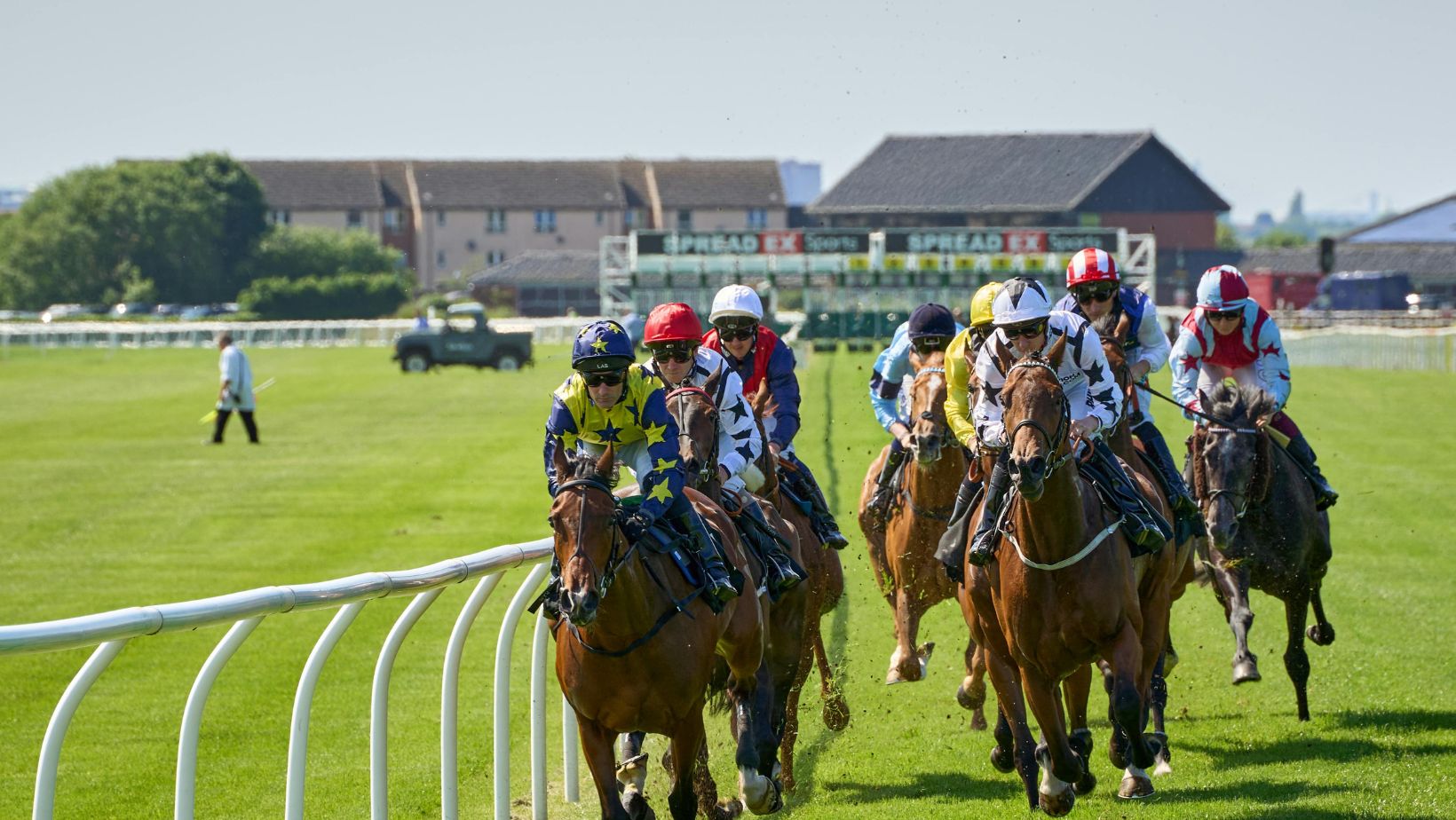
Lightly raced runners can still succeed, but they tend to face steeper learning curves here.
Pedigree and Distance Suitability Begin to Surface Here
Stretching out to 1 1/16 miles reveals whether a horse’s pedigree supports longer distances under early-season stakes pressure. Some runners thrive once they turn two corners, while others flatten late. The Sam F. Davis often exposes that difference.
Race-Day Variables Matter More Than Expected
Conditions at Tampa Bay Downs can shift quickly. A track listed as fast in the morning may play differently by mid-afternoon, especially if inclement weather moves through the area. Subtle changes can affect pace dynamics and finishing strength.
Bettors also pay close attention to how earlier races unfold throughout the card. If front-runners dominate consistently, tactical speed becomes even more appealing as the day progresses. Subtle pace patterns often signal how the track is playing at that moment.
When closers begin to make meaningful ground, expectations may adjust accordingly. These observations help frame individual performances within the day’s conditions rather than viewing results in isolation.
A Revealing Stop Before the Spotlight
The Sam F. Davis Stakes rarely provides final answers, and that uncertainty is part of its appeal. It captures three-year-olds at a transitional moment, asking meaningful questions without demanding finished products.
Some winners emerge as national names, while others simply confirm steady progress and readiness for bigger tests ahead.
For bettors, the race offers perspective rather than certainty. Observations made here often matter just as much later in March and April as they do on race day.

